
Whale Watching in Mirissa: A Complete First-Timer's Guide
Mar 5, 2025 • 6 min read
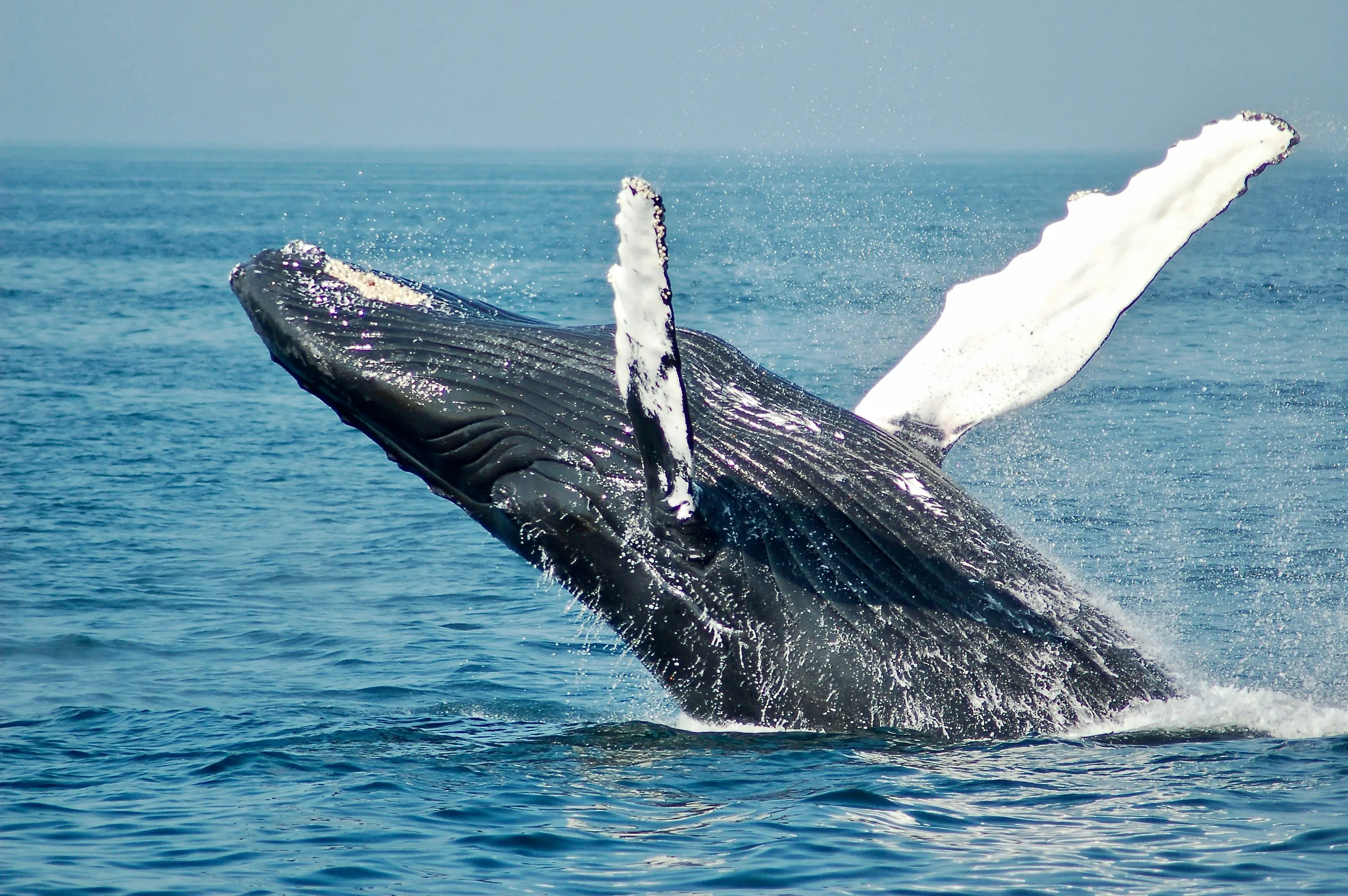

The waters off Mirissa lie on the migration route of the blue whale - the largest animal ever to have lived on Earth. Between November and April, these giants pass close to the Sri Lankan coast, making Mirissa one of the most reliable places in the world to see them.
In this article
Best season to go
The whale watching season in Mirissa runs from November to April, with the peak months being January, February, and March. During this period, blue whales are sighted on roughly 80–90% of tours. Outside this window, the south-west monsoon makes the sea too rough for safe boat trips.
Early morning departures (around 6:30–7:00 AM) are standard - the sea is calmer in the morning and the whales are more active near the surface. Tours typically last 4–6 hours and travel 15–20 km offshore.
What to expect on the boat
Most tours use medium-sized catamarans or fibreglass boats with open decks. You'll spend most of the time on the upper deck scanning the horizon. When a whale is spotted, the captain will manoeuvre to within the legal minimum distance (around 100 metres) and cut the engines.
Blue whale sightings typically last 5–15 minutes as the whale surfaces to breathe several times before diving. The distinctive blow (a tall, narrow column of mist) is usually visible from a distance before you see the animal itself.
Species you might see
Blue whales are the headline act, but Mirissa's waters are rich with marine life. Sperm whales are seen regularly, along with pods of spinner dolphins that often ride the bow wave of the boat. Bryde's whales, fin whales, and orcas are occasional visitors.
Flying fish are a constant companion on the journey out, and if you're lucky you might spot whale sharks or manta rays. Bring binoculars - they make a significant difference when scanning the horizon for distant blows.
Choosing a responsible operator
Not all whale watching operators follow responsible guidelines. Choose a company that maintains a safe distance from the animals, limits the number of boats around a single whale, and doesn't chase or harass the wildlife. Ask specifically about their environmental policy before booking.
daytours.lk partners exclusively with operators who follow the Sri Lanka whale watching code of conduct. Our tours include a marine biologist guide who provides commentary throughout the trip and ensures the experience is both educational and ethical.
Dealing with seasickness
The open ocean can be rough, even on calm days. If you're prone to motion sickness, take medication (such as Dramamine or Stugeron) the night before and again one hour before departure. Avoid heavy meals before the trip and stay on the upper deck in fresh air.
Ginger sweets and acupressure wristbands are popular natural remedies that many travellers swear by. Focus on the horizon rather than the movement of the boat, and stay hydrated. Most people find that the excitement of spotting a whale quickly overcomes any queasiness.
Enjoyed this article? Explore more Sri Lanka travel guides.
Back to Blog